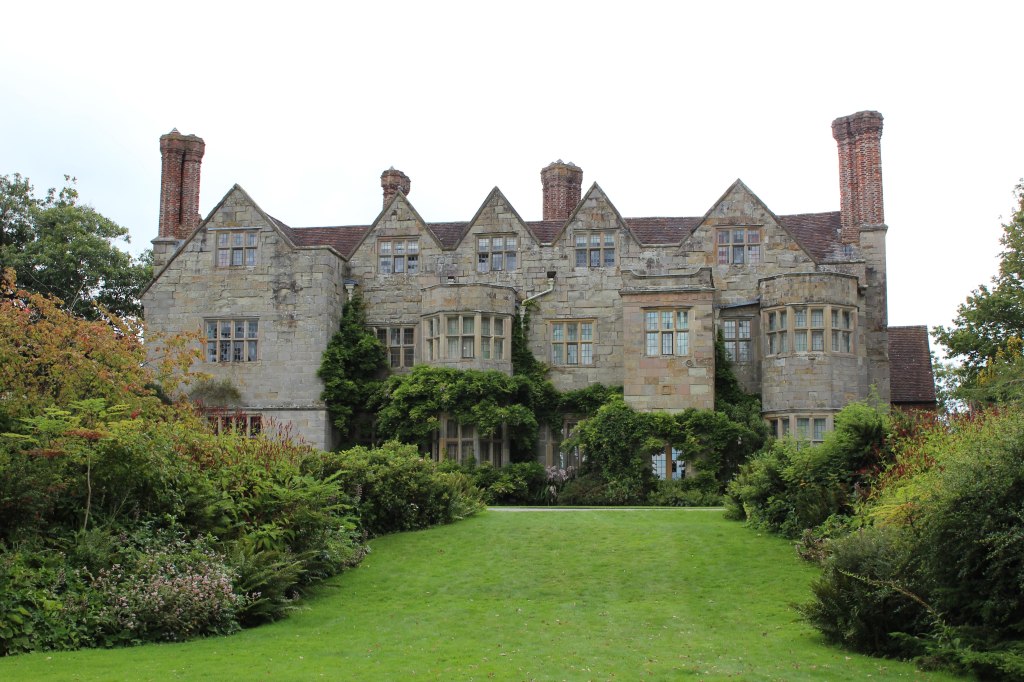
Before I married Scott, my name was Jessica Sue Benthall, pronounced to rhyme with “menthol.” At some point in my childhood my mother told us that our family name was dying out with our generation. My Benthall grandfather had been the youngest of eight children, seven of whom lived to adulthood – four girls (Golda, Greta, Gladys and Garnett – isn’t that fun?) and three boys (Truman, Swayne and Lex, my grandfather.) Lex was the only male in his family that had had children. My father was an only child and thus the only male born in his extended family that carried on the Benthall name. Since my dad had three girls, the Benthall name for this lineage would die out if my sisters and I all got married (everyone obviously assumed we would take our husbands’ names) which we did.
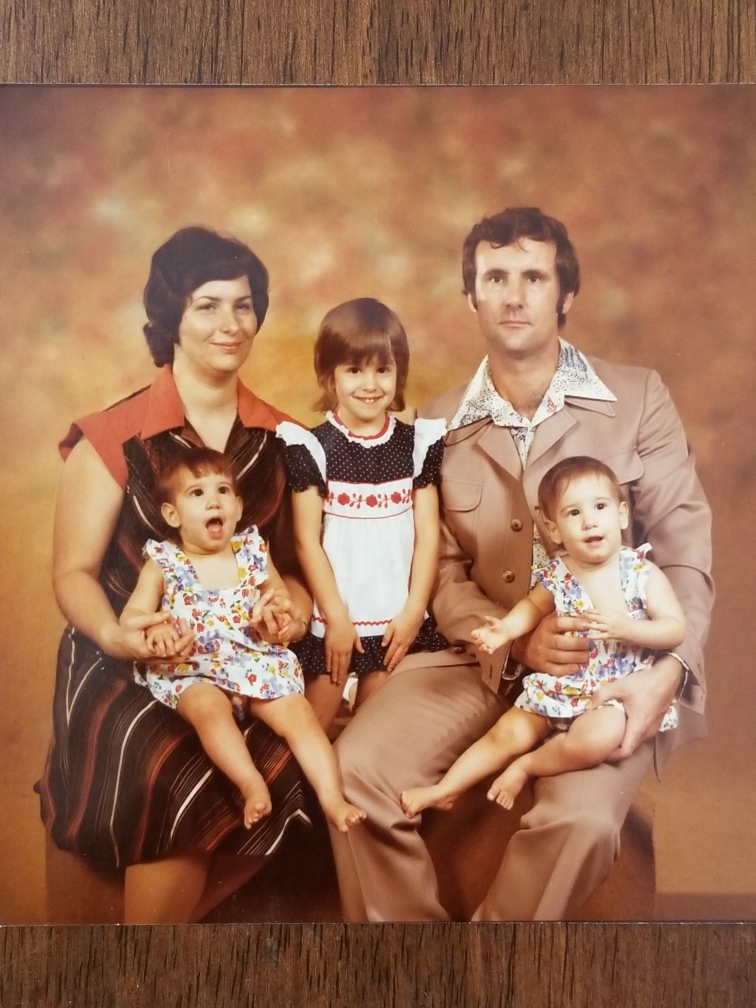
Growing up, I didn’t hate my last name, but I was not particularly attached or partial to it either. First, I had to spell it over and over and over again. Second, most people mispronounced it. Also, kids would make fun of it from time to time and call us “Menthol” or “Menthalatum.” It wasn’t traumatic, just annoying. Finally, I didn’t know anyone with our last name. My grandfather had died before I was born, my grandmother when I was very young.
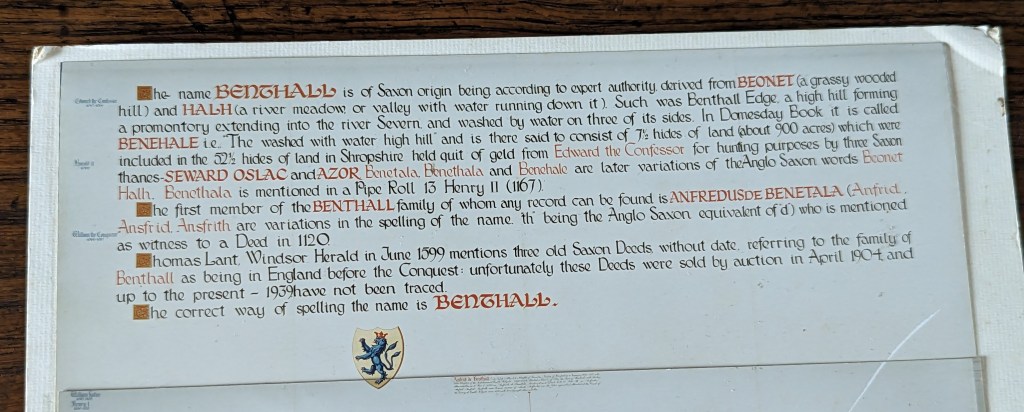
A few years ago, my older sister, Sheri, did some research and found out that there was a Benthall coat of arms and that there is a manor house in England called Benthall Hall. We all thought that was pretty cool and talked about possibly visiting it one day. Fast forward to planning time for this trip – we added it to our list of must-sees. I am so glad we did.
Benthall Hall is now owned and overseen by the National Trust. Since it is located relatively close to the Cotswolds, we decided to visit it on the Sunday (August 13, 2023) of our week there. We did not realize that because we were traveling by public transportation, it was going to take a very long time to get to Benthall Hall by a series of train and bus combinations, so we rented a car, Scott took one for the team (he had gotten an international driver’s license before we left home) and he endured the stressful experience of driving on the left side of (tiny) English roads. He did a great job! I must note here that I believe this was the ONLY time in our twenty-seven year relationship that he actually ASKED me to HELP him drive!
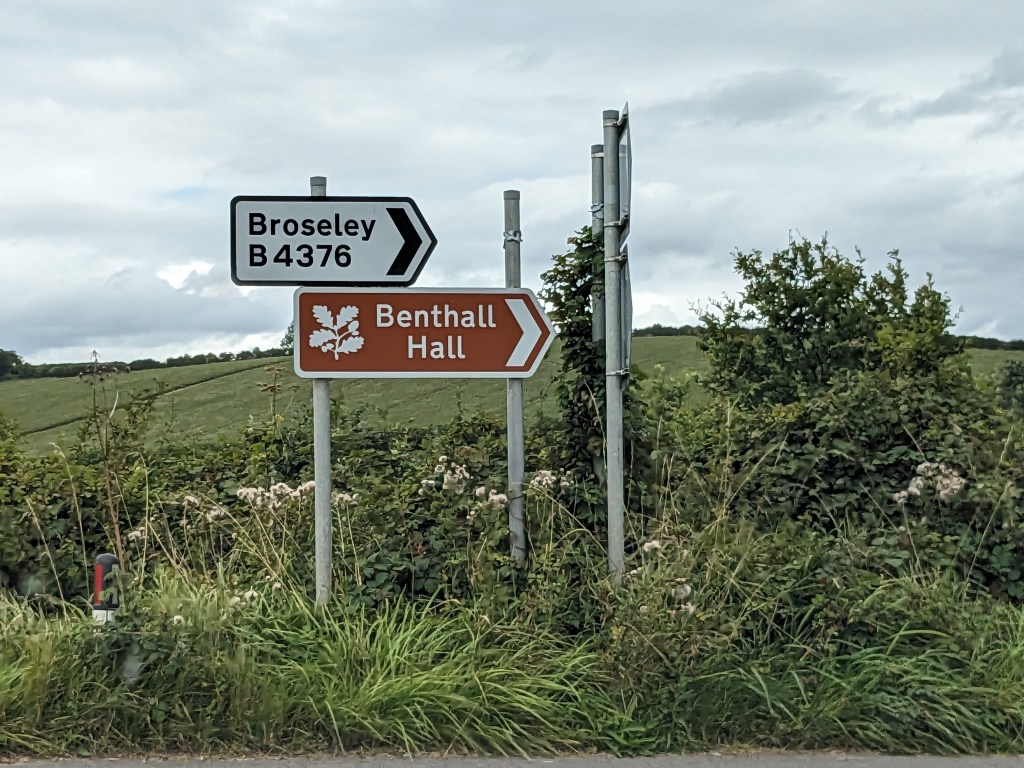
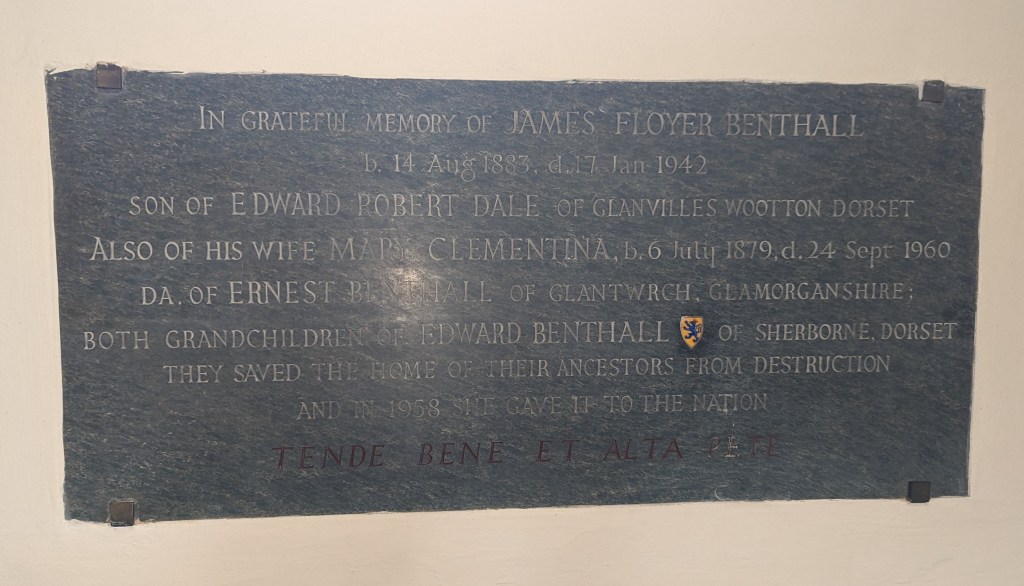
Our visit to Benthall Hall was wonderful. To prepare for our visit, I sent an inquiry through the National Trust website in the spring and one of their employees, Alan, responded quickly and answered my questions about what days and hours it would be open this summer, etc. He also emailed back and forth with Scott about his genealogy research. Scott started doing genealogy research last year and had hit a wall on the Benthall side of my family – he was unable to find out the name of the Benthalls who had immigrated from England. It turns out that the Benthall who built the manor was the brother of my ancestor who immigrated to America in the 1600’s shortly after the English civil war.
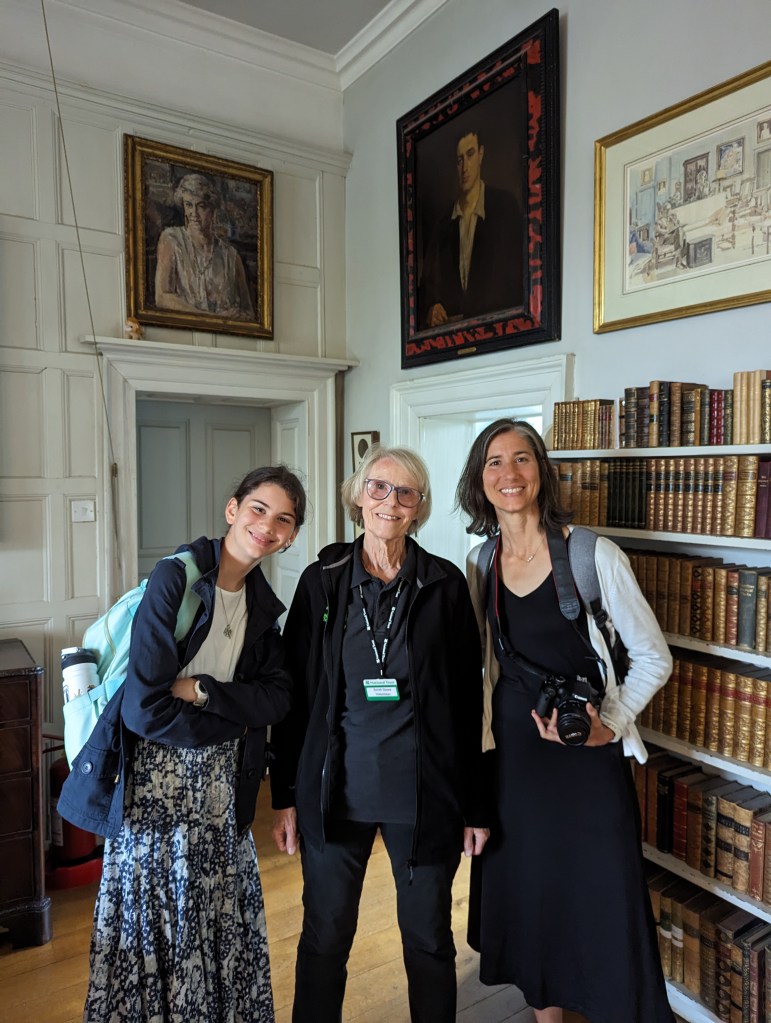
The day we visited Benthall Hall, we met Alan in person as well as several volunteers. All of them were friendly and very knowledgeable about the home and the Benthall family – they pronounce it to rhyme with “gentle” – who built and owned the manor for generations. There have been many successful and interesting Benthalls over the years and we enjoyed learning about them as much as or even more than the home.
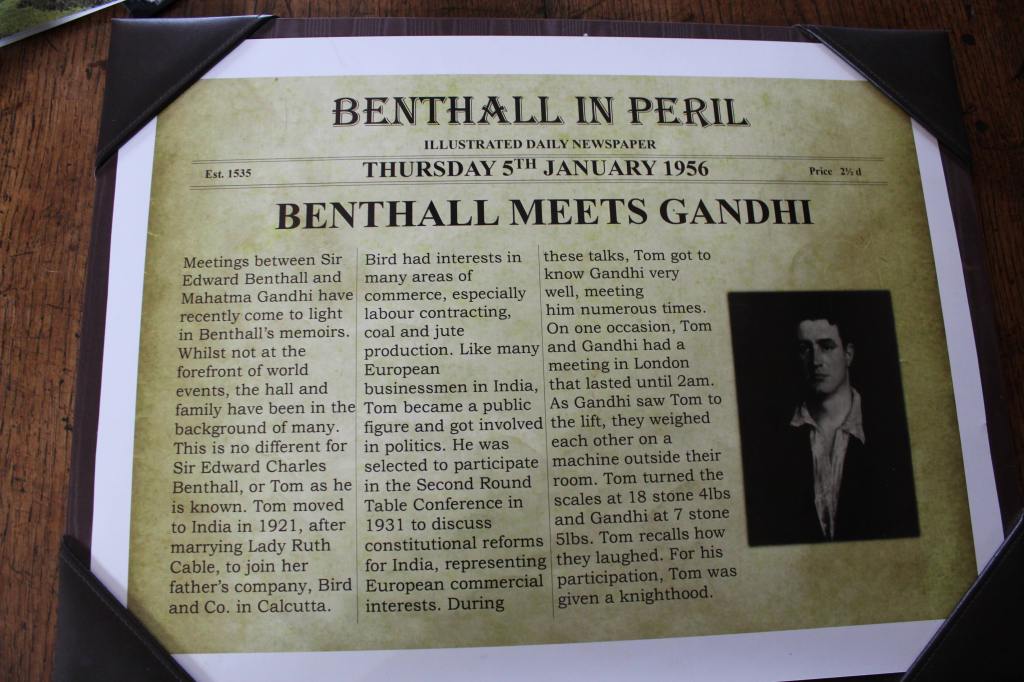
As we learned that day, Benthall Hall, built in the 1535, is unique among manor homes because it was built with wealth that was earned from the natural resources from the land surrounding it, instead of as a gift from the monarch or a nobleman like most manor homes. The estate has beautiful gardens and a church on the grounds. It also has priest holes and tunnels built into it which means they were catholic sympathizers and may have helped some escape to safety during the time with Catholicism was illegal and people were being tortured for their Catholic faith. It is still being farmed for the same natural resources that it was back in the early days. There is also a small village by the same name that grew up because of the manor.

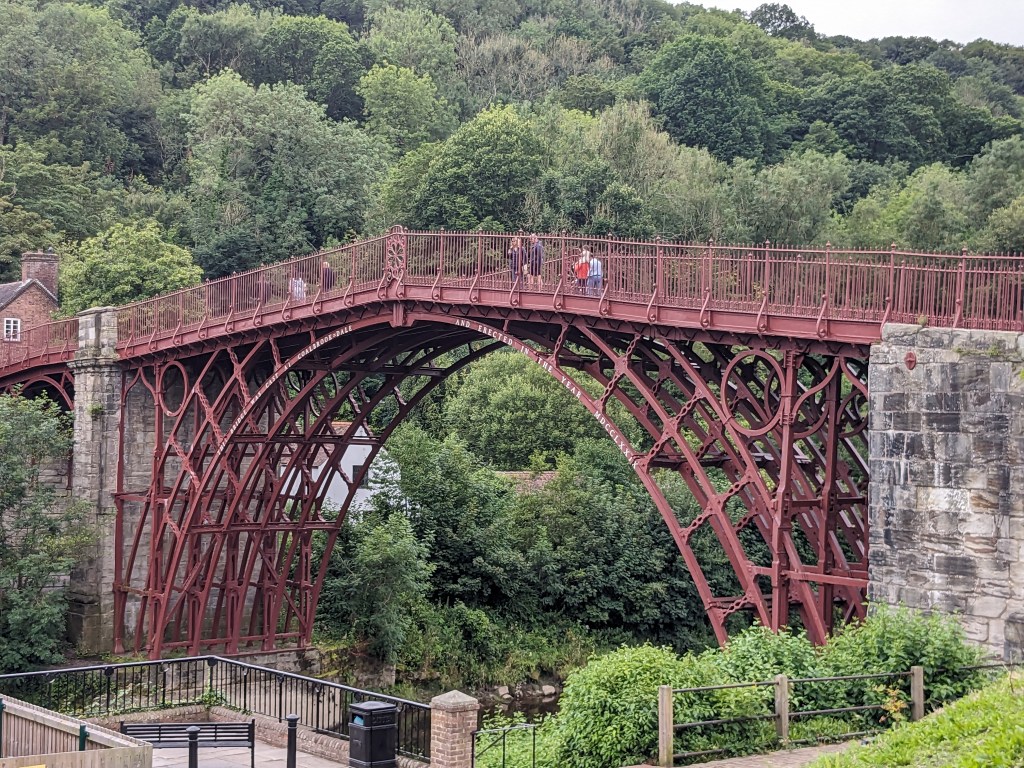
After we left Benthall Hall, we drove a short distance and saw Iron Bridge. As the first major bridge to be built of iron, it is a World Heritage Site and a symbol of the Industrial Revolution. Never before had iron been mass produced until then, and the production of it for the bridge changed the world forever.
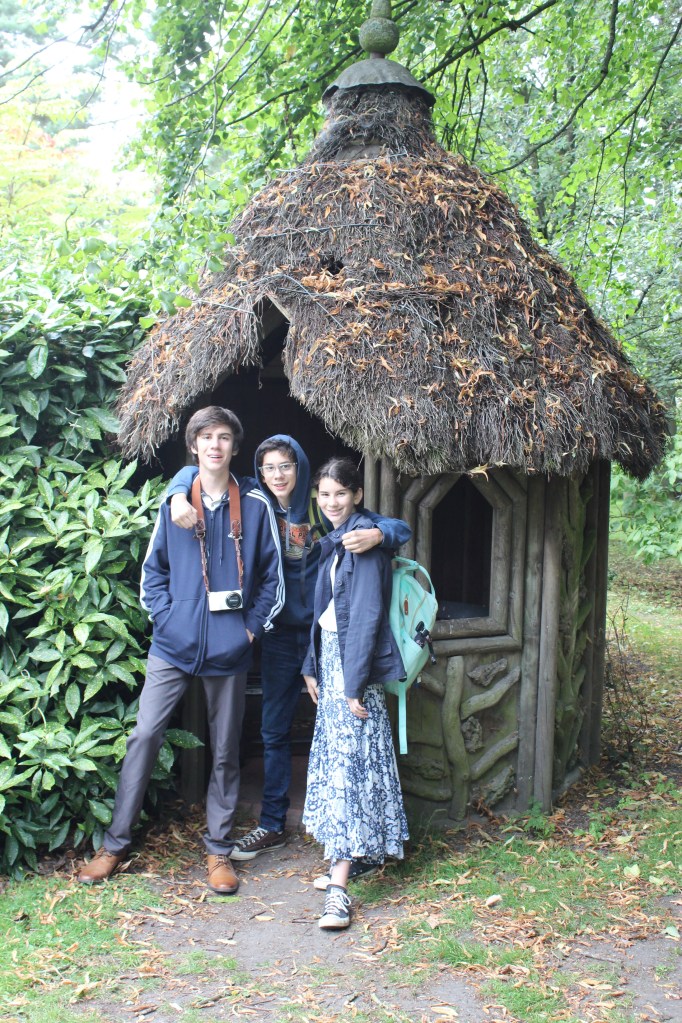
I’ve never understood why people do genealogy research until recently. Visiting Benthall Hall was a touching experience for me. It was surreal to be in this place so significantly connected to my family. I felt proud to learn about their accomplishments and goodness to their communities and like I was connecting with a deep and old part of me. I am also glad that John, Abe and Arlie were there too to learn more about this side of their family as well.

 PassportPilgrims
Leave a reply to Jim Sick Cancel reply